
Foot and ankle
Flat Feet: Symptoms, Causes, and Treatment
- Flat feet
- Foot arch
- Foot pain
- Orthotic insoles
Written by: Dr. Osama Samir Al-Droubi · Specialist in orthopedic surgery, fractures, sports medicine and joint reconstruction
Published by: Dr. Osama Samir Al-Droubi's clinic · Salmiya, Kuwait
Last updated:
Understand flat feet in children and adults, possible symptoms and causes, treatment options, and when foot or ankle pain should be assessed.
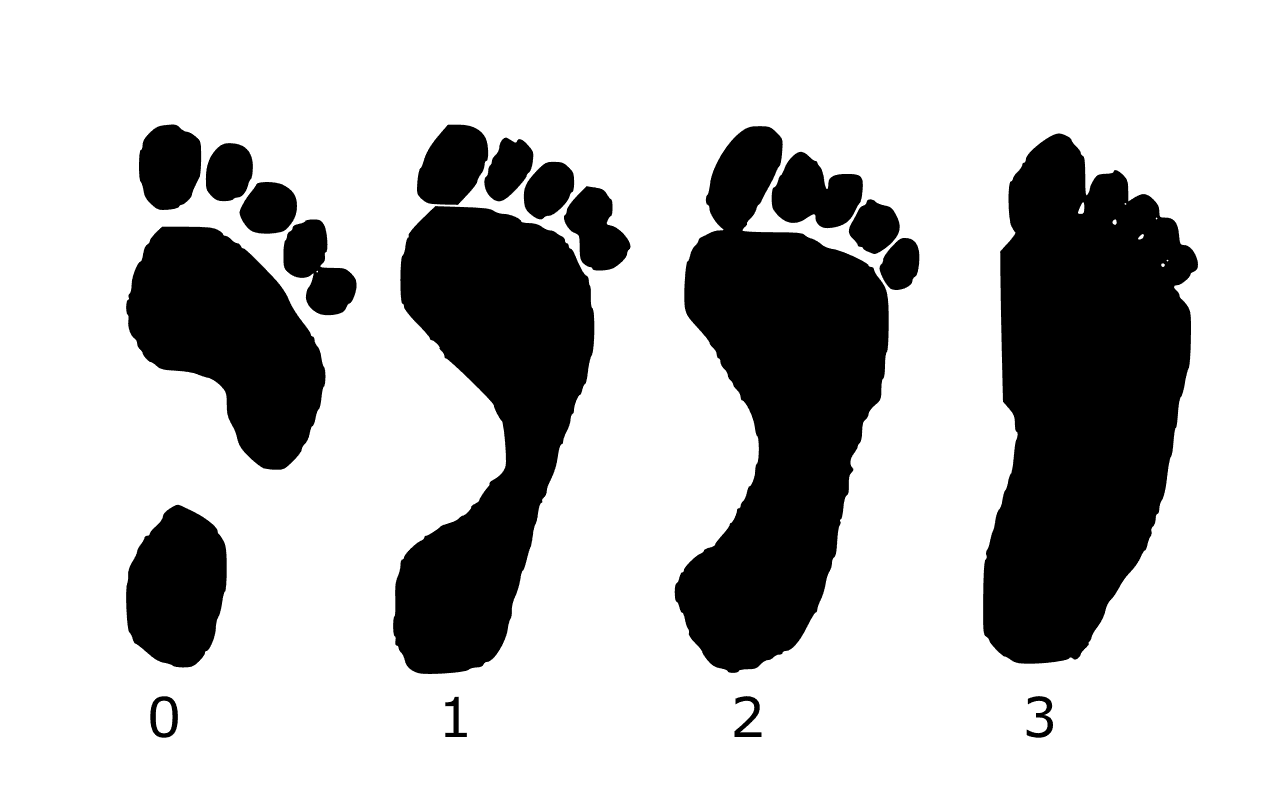
Diagram comparing a flat-foot footprint with an arched footprint

What are flat feet?
Flat feet occur when the foot's normal arch is reduced or absent, so more of the foot touches the ground while standing. The condition may be mild and cause no problems. Some people, however, have foot, ankle, or leg pain when walking or standing for long periods.
What are the symptoms of flat feet?
Not all cases are painful. When symptoms occur, they may include pain in the sole, ankle, or leg, tiring quickly while standing or walking, the foot rolling inward during walking, and difficulty with certain sports activities.
What causes flat feet?
Causes vary with age and the type of condition. They may include inherited factors, loose ligaments, weak muscles supporting the foot arch, excess body weight, injuries, aging, and certain neurological or muscular conditions in selected cases.
Are flat feet different in children and adults?
Yes. Flat feet can be normal during early childhood development and do not always need treatment if there is no pain or difficulty moving. In adults, the condition may develop gradually or be associated with weak tendons or ligaments and increased pressure on the foot.
How are flat feet diagnosed?
Diagnosis involves a clinical examination and observation of the foot while standing and walking. The doctor may request X-rays or further tests if pain persists or another cause is suspected.
How are flat feet treated?
Treatment depends on severity and whether symptoms are present. It may include suitable supportive footwear, orthotic supports or insoles, strengthening and stretching exercises, weight reduction when needed, physiotherapy, and pain-relieving medication when appropriate.
When should you see a doctor?
See a doctor if flat feet cause persistent pain, affect walking, lead to rapid fatigue, are associated with a noticeable foot or ankle deformity, or develop suddenly in a foot that previously had a normal arch.
Summary
Flat feet are common and often cause no problems. Some cases need assessment and treatment to relieve pain, improve walking, and prevent complications.
Medical references
Related articles
Related treatment services
Medical note
Need a medical assessment?
This content is educational and does not replace a medical examination. If pain continues or affects movement, book an appointment to identify the cause and suitable treatment plan.