
Pediatric orthopedics
Developmental Hip Dysplasia: Symptoms, Diagnosis, and Treatment
- Developmental hip dysplasia
- Hip dislocation
- Pediatric orthopedics
- Hip screening
Written by: Dr. Osama Samir Al-Droubi · Specialist in orthopedic surgery, fractures, sports medicine and joint reconstruction
Published by: Dr. Osama Samir Al-Droubi's clinic · Salmiya, Kuwait
Last updated:
A guide to developmental hip dysplasia in babies, including risk factors, signs, diagnosis, treatment, and the importance of early assessment.
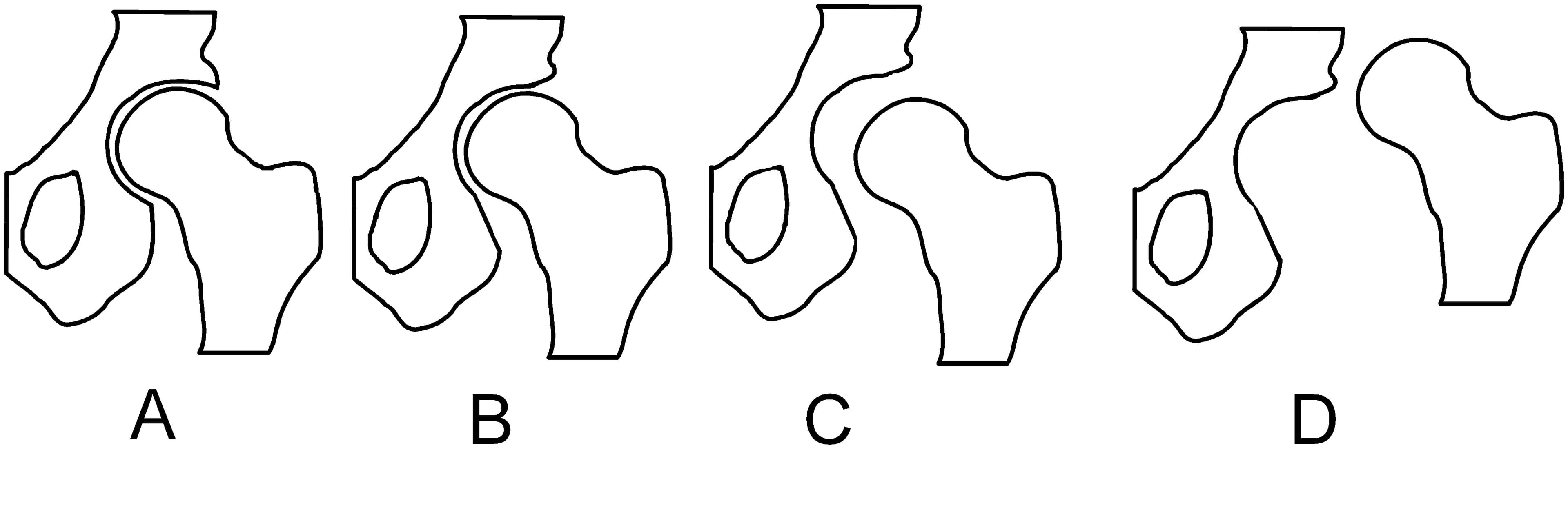
Diagram of the femoral head and hip socket in hip dysplasia
Image credit: Londenp · CC BY-SA 3.0

What is developmental hip dysplasia?
Developmental hip dysplasia, sometimes called congenital hip dislocation, affects some children from birth or during the first months of life. It occurs when the thighbone does not sit normally within the hip joint. If it is not detected early, it may affect joint development and the child's movement.
What causes developmental hip dysplasia?
There is no single direct cause in every case. Factors that increase the likelihood include a family history, breech birth, low levels of amniotic fluid during pregnancy, and being female, as girls are affected more often than boys.
Which children are more likely to be affected?
The condition is more likely in newborn girls, babies born in a breech position, children with a family history of hip dislocation, and those with other associated orthopedic or positional problems.
What signs may appear in babies?
Signs are not always obvious to parents. Possible signs include limited movement of one leg, unequal thigh creases, different leg lengths in some cases, and delayed standing or walking in some cases detected later.
How is it diagnosed?
Diagnosis involves a careful clinical examination. The doctor may request hip ultrasound in infants or X-rays in older children. Early diagnosis is particularly important because treatment is easier and more successful during the first months of life.
How is developmental hip dysplasia treated?
Treatment depends on the child's age and the severity of the condition. It may include special supports to maintain the correct hip position, regular medical follow-up, casting or corrective procedures in selected cases, and surgery if diagnosis is delayed or the condition is advanced.
When should a child be examined?
Early examination after birth is recommended, especially when risk factors such as breech birth or a family history are present. Parents should also seek assessment if they notice a difference in leg movement or, later, in how the child stands or walks.
Why does early diagnosis help?
The earlier the condition is detected, the greater the chance of treatment without complex procedures and of normal hip development, with a lower likelihood of future complications.
Summary
Developmental hip dysplasia needs early attention. Detecting it at the right time can make a substantial difference to treatment and outcomes.
Read also: Osteoarthritis: symptoms, causes and best treatments, Osteoporosis: symptoms and prevention, When should I see an orthopedic doctor?
Medical references
Related articles
Related treatment services
Medical note
Need a medical assessment?
This content is educational and does not replace a medical examination. If pain continues or affects movement, book an appointment to identify the cause and suitable treatment plan.