
Shoulder
Shoulder Tendinitis: Symptoms, Causes, and Treatment
- Shoulder tendinitis
- Shoulder pain
- Shoulder mobility
- Physiotherapy
Written by: Dr. Osama Samir Al-Droubi · Specialist in orthopedic surgery, fractures, sports medicine and joint reconstruction
Published by: Dr. Osama Samir Al-Droubi's clinic · Salmiya, Kuwait
Last updated:
Learn about shoulder tendinitis symptoms, common causes, diagnosis, treatment options, prevention, and when persistent shoulder pain needs medical assessment.
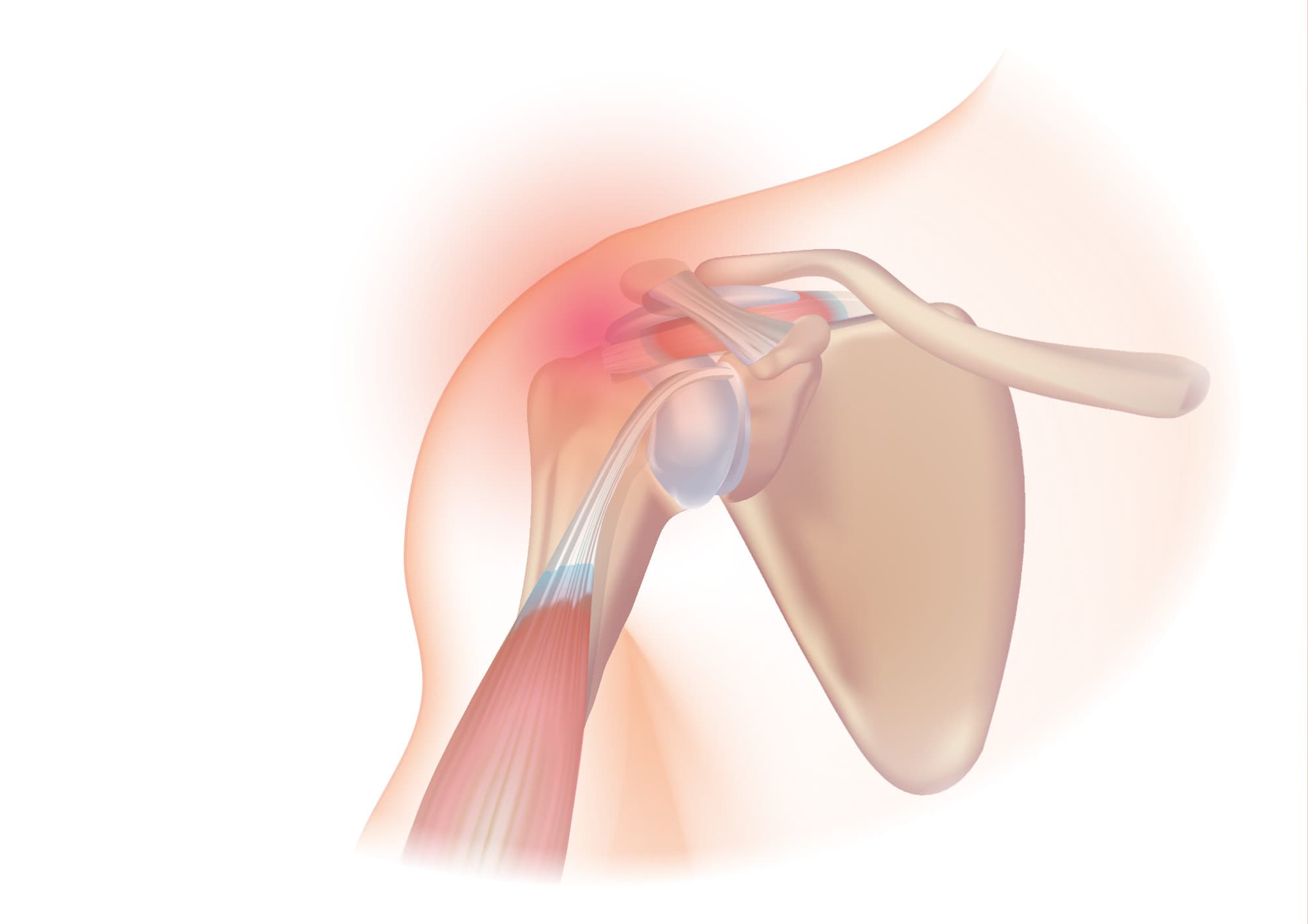
Illustration of the shoulder and rotator cuff pain

What is shoulder tendinitis?
Shoulder tendinitis is a common problem that causes shoulder pain and difficulty raising or moving the arm normally. It may develop gradually because of repeated strain or after a direct injury. It can affect everyday activities such as getting dressed, lifting objects, or sleeping on the affected side.
What are the symptoms of shoulder tendinitis?
Symptoms vary from person to person. Common symptoms include shoulder pain that gets worse with movement, difficulty lifting or rotating the arm, stiffness in the shoulder joint, weakness in the surrounding muscles, and pain when sleeping on the affected shoulder.
What causes shoulder tendinitis?
Common causes include repeated use of the shoulder at work or during sport, lifting weights or repeatedly moving the arm above the head, a direct shoulder injury, aging and reduced tendon flexibility, and certain inflammatory or chronic conditions.
How is shoulder tendinitis diagnosed?
Diagnosis is based on the medical history and a clinical examination. When needed, the doctor may request tests such as X-rays, an MRI scan, or ultrasound. Early assessment helps identify the cause of the pain and choose an appropriate treatment before the condition gets worse.
How is shoulder tendinitis treated?
Treatment depends on the severity of the inflammation and how long symptoms have lasted. It may include rest and avoiding movements that strain the shoulder, ice packs to reduce inflammation, pain-relieving or anti-inflammatory medication, physiotherapy to improve movement and strengthen muscles, local injections in selected cases, and surgery if conservative treatments fail and the injury is severe.
How can shoulder tendinitis be prevented?
Steps that may reduce the risk include warming up before exercise, avoiding prolonged repetition of strenuous movements, strengthening the shoulder and back muscles, and improving posture while working or sitting.
When should you see a doctor?
See a doctor if shoulder pain lasts for several days, is severe, causes noticeable weakness or difficulty moving the arm, or makes everyday activities difficult. Delaying treatment may allow inflammation to worsen or a tendon tear to develop.
Summary
Shoulder tendinitis is common, but addressing it early can help relieve pain and restore normal shoulder movement. Persistent or recurring pain needs medical assessment to identify its cause and develop an appropriate treatment plan.
Medical references
Related articles
Related treatment services
Medical note
Need a medical assessment?
This content is educational and does not replace a medical examination. If pain continues or affects movement, book an appointment to identify the cause and suitable treatment plan.