
Back
Back Pain: Causes, Symptoms, and Treatment Options
- Back pain
- Lower back pain
- Herniated disc
- Physiotherapy
Written by: Dr. Osama Samir Al-Droubi · Specialist in orthopedic surgery, fractures, sports medicine and joint reconstruction
Published by: Dr. Osama Samir Al-Droubi's clinic · Salmiya, Kuwait
Last updated:
Explore common causes of back pain, accompanying symptoms, diagnosis, treatment, prevention, and warning signs that need medical attention.
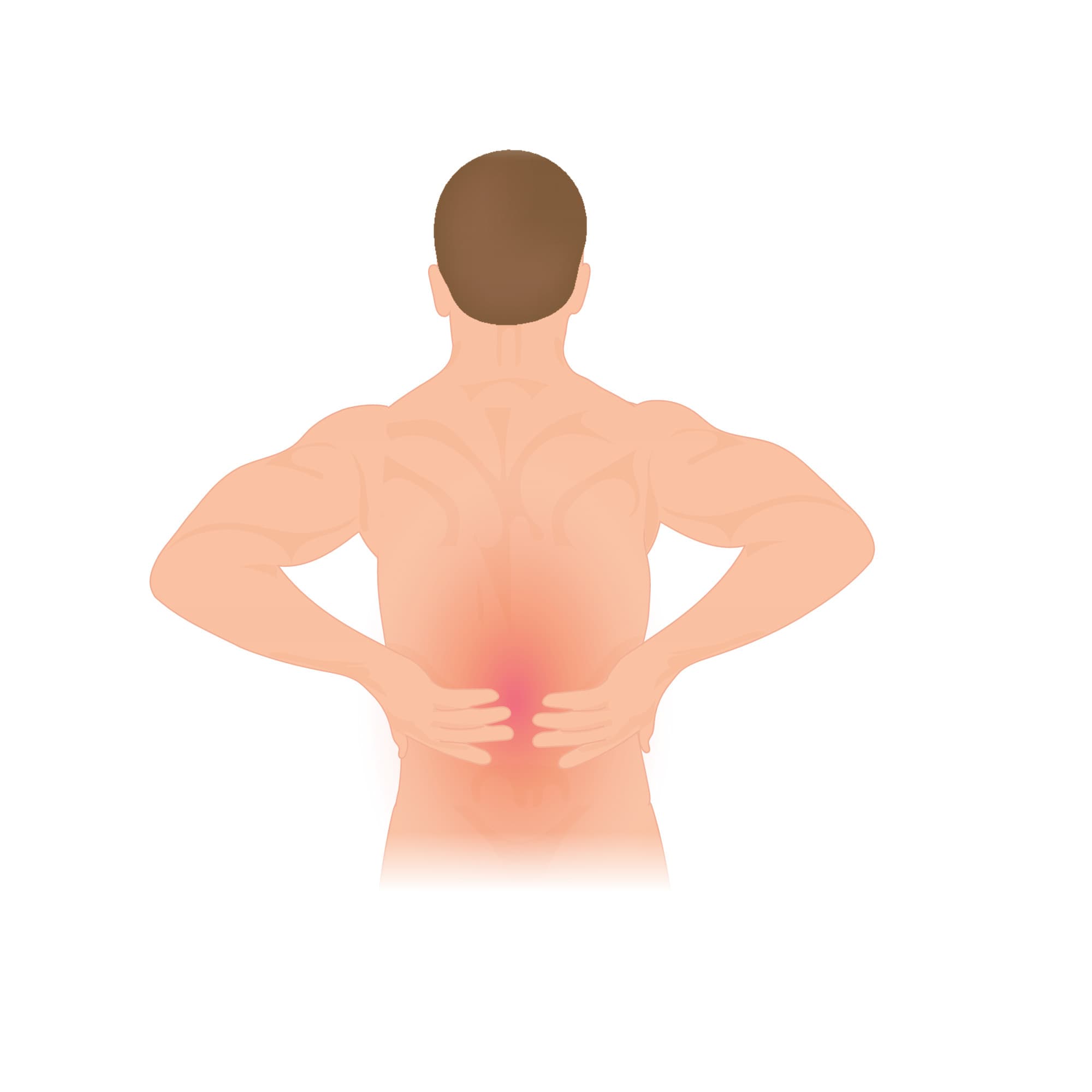
Illustration of the location of lower back pain

What is back pain?
Back pain is one of the most common health problems. It can begin suddenly or gradually, and its severity varies. Pain may be mild and temporary, or persistent enough to affect movement, work, sleep, and overall quality of life.
What causes back pain?
Common causes include muscle strain or physical overexertion, prolonged sitting with poor posture, lifting weights incorrectly, a herniated disc, spinal osteoarthritis or joint inflammation, weak muscles and limited physical activity, and excess body weight.
What symptoms can accompany back pain?
Back pain may be constant or intermittent. It may cause stiffness and difficulty moving, worsen with prolonged sitting or standing, extend into the legs in some cases, or be accompanied by numbness or weakness if nerves are compressed.
How is the cause diagnosed?
Diagnosis involves identifying the location, nature, and duration of the pain and carrying out a clinical examination. When necessary, the doctor may request tests such as X-rays, an MRI scan, or a CT scan.
How is back pain treated?
Treatment depends on the cause. Options may include a short period of rest when needed, pain-relieving or anti-inflammatory medication, physiotherapy, exercises to strengthen muscles and improve flexibility, changes to sitting habits and daily activity, and treatment of an underlying disc, nerve, or joint problem.
When can back pain be serious?
Seek medical attention if back pain is accompanied by severe persistent pain that does not improve, pain extending into a leg with numbness or weakness, difficulty walking or standing, pain after an injury or accident, loss of bladder or bowel control, or fever or unexplained weight loss with the pain.
How can back pain be prevented?
Risk may be reduced by maintaining good sitting posture, exercising regularly, strengthening the back and abdominal muscles, avoiding incorrect lifting techniques, and maintaining a healthy weight.
Summary
Back pain is common, but its cause differs from person to person. Correct diagnosis is the basis of successful treatment. Addressing pain early improves the chances of recovery and avoiding complications.
Medical references
Related articles
Related treatment services
Medical note
Need a medical assessment?
This content is educational and does not replace a medical examination. If pain continues or affects movement, book an appointment to identify the cause and suitable treatment plan.